A first-time property purchase is both a lifestyle decision and a financial commitment. The buyers who feel most confident at closing are rarely the ones who simply stretched to the highest approval number. They are the ones who understood the full cost of ownership before they wrote an offer.
That discipline is especially important in Tampa Bay, where insurance, taxes, flood considerations, HOA fees, and maintenance can materially change the monthly picture. A property can be affordable on paper and still feel tight if the buyer ignores the costs outside principal and interest.
Build a full housing budget
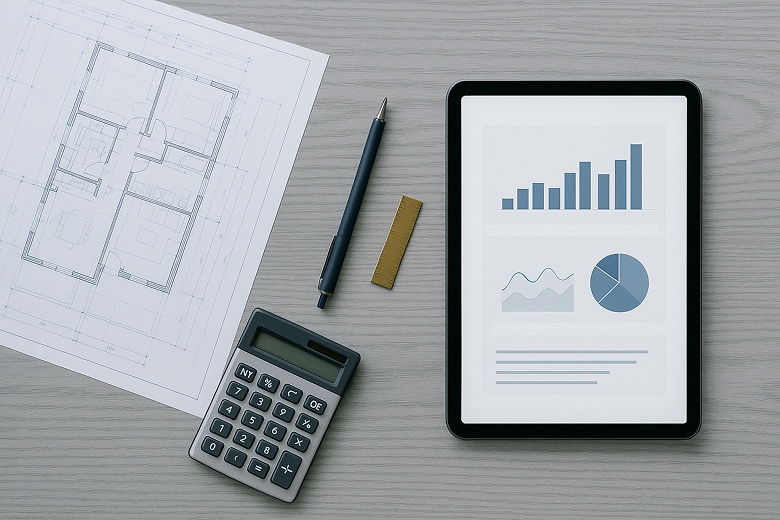
Start with monthly take-home pay and existing obligations, then build a housing number that includes principal, interest, taxes, homeowner’s insurance, possible flood insurance, mortgage insurance, HOA or condo dues, utilities, and maintenance. CFPB guidance specifically reminds buyers that ownership costs include more than the mortgage payment and that taxes and insurance can rise over time.
A practical rule is to decide on a comfortable payment before falling in love with a property. Your lender approval is a ceiling, not a target. Your actual target should leave room for savings, repairs, transportation, family needs, and unexpected expenses.
Separate down payment from cash to close
Many first-time buyers focus on the down payment and underestimate closing costs. CFPB materials note that closing costs commonly include lender charges, points if selected, appraisal and title-related fees, government fees, prepaid interest, insurance premiums, escrow deposits, inspections, and other homebuying expenses. Those costs can be paid upfront or structured into the transaction in different ways, but they do not disappear.
Before you shop seriously, ask your lender for scenarios. Compare what happens with different down payments, interest rates, points, mortgage insurance, and seller credits. A lower monthly payment may require more cash at closing. A lower cash-to-close plan may cost more over the life of the loan.
Protect your reserve after closing
Owning a home without reserves is stressful. Even a well-maintained property can need an appliance, plumbing repair, electrical fix, insurance deductible, or unexpected maintenance within the first year. For Florida buyers, reserves are also part of storm-season planning.
If using most of your available cash leaves you exposed, consider whether a smaller down payment, a different price point, or a longer savings runway is the better decision. The right purchase is not only one you can close. It is one you can comfortably keep.
Use the market to negotiate intelligently
Pinellas County has been operating closer to balanced market conditions than the extreme seller’s market of prior years. Realtor.com reported a 97% sale-to-list ratio in March 2026, and Redfin reported that a meaningful share of listings had price drops. That creates room for buyers to discuss credits, repairs, rate buydowns, or price adjustments when the property and seller situation support it.
Negotiation should be tied to evidence: comparable sales, inspection findings, insurance quotes, days on market, and the seller’s motivation. A clean, well-supported offer can be more persuasive than a low offer without context.
Check assistance programs and loan options
Florida Housing and other local programs may help qualified buyers with down payment or closing cost assistance through participating lenders. Program availability, income limits, purchase price limits, and repayment terms vary, so buyers should verify current details early.
It is also worth comparing FHA, VA, USDA, and conventional loan options when applicable. The best loan is not always the one with the lowest advertised rate. It is the one with the best combination of monthly payment, cash to close, mortgage insurance, flexibility, and long-term cost for your situation.
A practical buyer plan
- Set a monthly housing budget before shopping.
- Get written loan estimates from more than one lender.
- Price insurance early and confirm flood zone details.
- Keep reserves after closing, even if it means buying less house.
- Use inspections and market data to negotiate clearly.
Good financial planning does not remove every risk from buying property. It gives you enough clarity to make tradeoffs deliberately.
Sources consulted: Consumer Financial Protection Bureau, CFPB mortgage cost guidance, Florida Housing first-time homebuyer information, Realtor.com Pinellas County market data, Redfin Pinellas County market data.