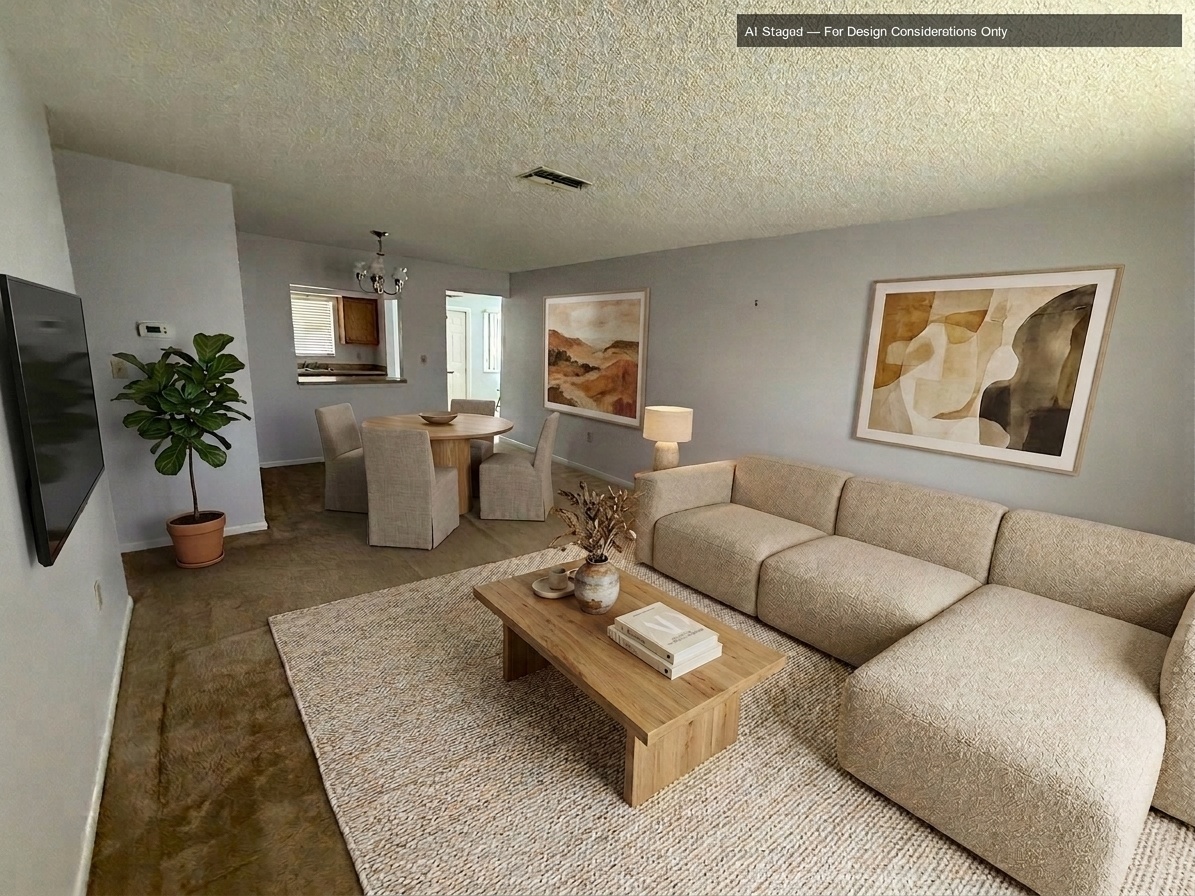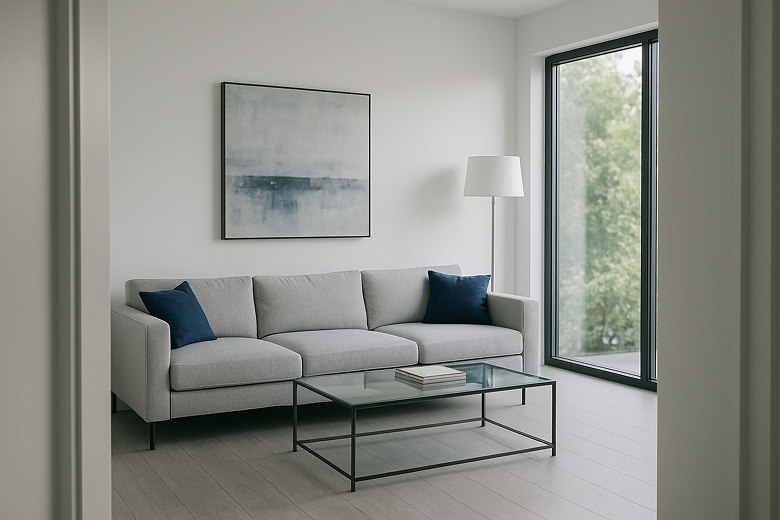
Modern architecture is no longer just about sharp rooflines, glass walls, and a dramatic first impression. In Tampa Bay and Pinellas County, the strongest design trends are practical: homes that manage heat, water, insurance concerns, maintenance, and changing household needs while still feeling clean, bright, and current.
That shift matters for buyers and sellers. A contemporary home may photograph well, but the homes that hold attention in 2026 are the ones that combine style with performance. Buyers are asking better questions about roofs, windows, elevation, drainage, energy use, storage, and how a floor plan actually lives from day to day.
Resilience has become part of the design conversation
In coastal Florida, resilient design is not a luxury phrase. It shows up in practical details: impact-rated openings, shaded outdoor areas, better roof assemblies, durable exterior materials, improved site drainage, and thoughtful landscape design that handles heavy rain rather than fighting it. The American Institute of Architects has pointed to climate-responsive design, shading, high-albedo materials, stormwater systems, and energy efficiency as important design directions. Those ideas translate directly to Florida property decisions.
For a buyer, this means looking beyond the surface finish. Ask how the home manages sun exposure, water, wind, and long-term maintenance. For a seller, documentation matters. If the property has newer windows, roof work, elevation information, flood mitigation, efficient HVAC, or upgraded insulation, make sure those improvements are easy to verify.
Smarter layouts are more valuable than oversized rooms
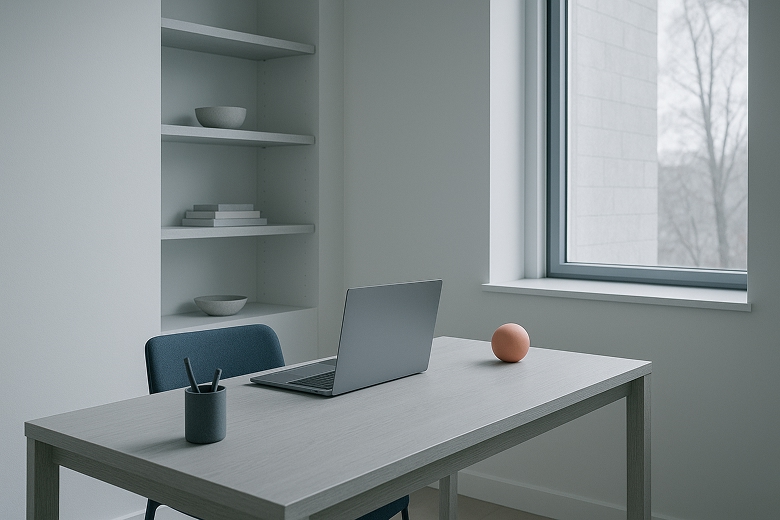
The market is moving away from square footage for its own sake. Buyers still like open living areas, but they also want zones: a real office or flex room, guest space that can work for extended family, storage that reduces clutter, and outdoor areas that function as usable rooms. A modern plan should feel open without wasting space.
This is especially relevant in Pinellas County, where many homes sit on established lots and additions or remodels need to be smart. A smaller home with efficient circulation, good light, and a strong indoor-outdoor connection can feel more livable than a larger property with awkward transitions.
Energy efficiency and daylight are now baseline expectations
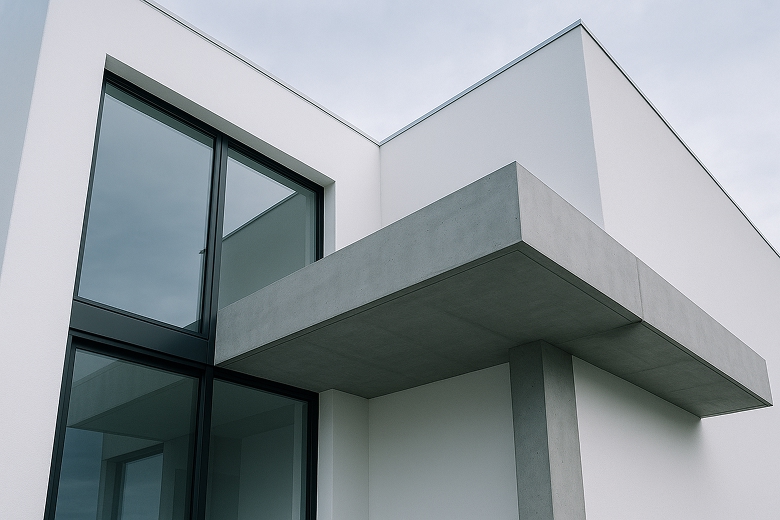
Natural light remains one of the most powerful selling features, but in Florida it has to be balanced with heat control. The best modern homes use orientation, overhangs, window selection, ceiling height, and efficient mechanical systems together. Buyers notice homes that feel bright without feeling hot.
Energy-efficient appliances, LED lighting, smart thermostats, and updated HVAC systems are no longer niche improvements. They help buyers understand monthly ownership costs, which is increasingly important as insurance, taxes, and maintenance remain part of the affordability discussion.
Materials need to look good and last
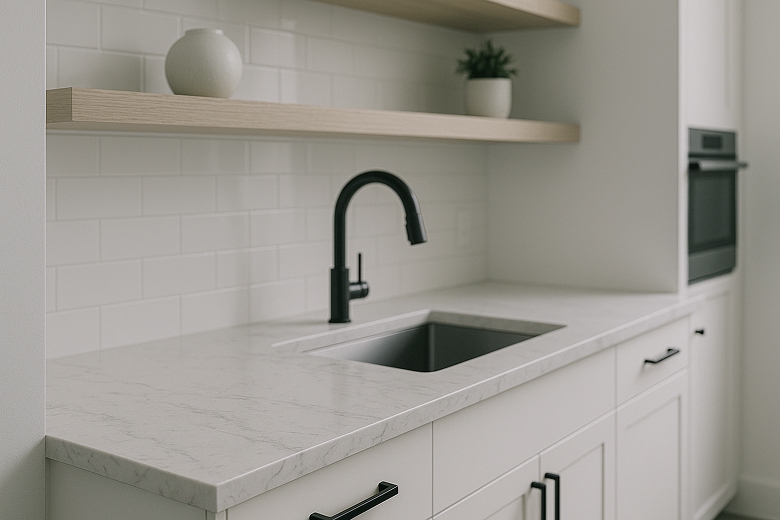
Minimalist finishes can age quickly if they are too trendy or fragile. The better direction is durable simplicity: quality flooring, moisture-aware materials, easy-care counters, clean cabinetry, and exterior finishes that can handle sun, humidity, and salt air. A home can feel modern without becoming sterile.
For sellers, the goal is not to chase every architectural trend. The goal is to show that the property has been maintained, improved thoughtfully, and prepared for the way buyers live now. For buyers, the goal is to separate visual style from construction quality. A modern look is only valuable if the underlying systems support it.
What this means before you buy or sell
- Review roof age, windows, HVAC, drainage, elevation, and insurance details before focusing on finishes.
- Look for flexible rooms that can adapt to work, guests, hobbies, or multigenerational needs.
- Prioritize durable materials over short-lived design statements.
- Document upgrades clearly when selling, especially improvements tied to efficiency, resilience, or maintenance.
The strongest modern architecture in Tampa Bay is not just beautiful. It is useful, resilient, efficient, and grounded in the realities of Florida ownership.
Sources consulted: American Institute of Architects, National Association of Home Builders, Houzz 2026 U.S. Houzz & Home Study.